I needed a book recommendation sometime back, and it compelled me to to approach the #2 in command of the company I work for. He is a genius by all accounts, able to manage as the senior director and read/comprehend/remember and more often than not call upon that memory for every single email he receives a day, which given the 250 +/- I receive a day, would put him at well over 1000.
I asked him for a recommendation and he asked what I wanted to learn, I responded with “Yes”. He gave a me a slight smile and went to his office, coming back with a stack of 4 books. The top one on the pile, and the one he wanted me to read first was The 21 Irrefutable Laws of Leadership by John C. Maxwell.
Below is a brief summery of the 21 Laws and their basic description. I highly recommend this book for every leader and business owner.
You can find the Audiobook version Here: https://amzn.to/3PCZKXb
The Hardback copy Here: https://amzn.to/4iZTV38
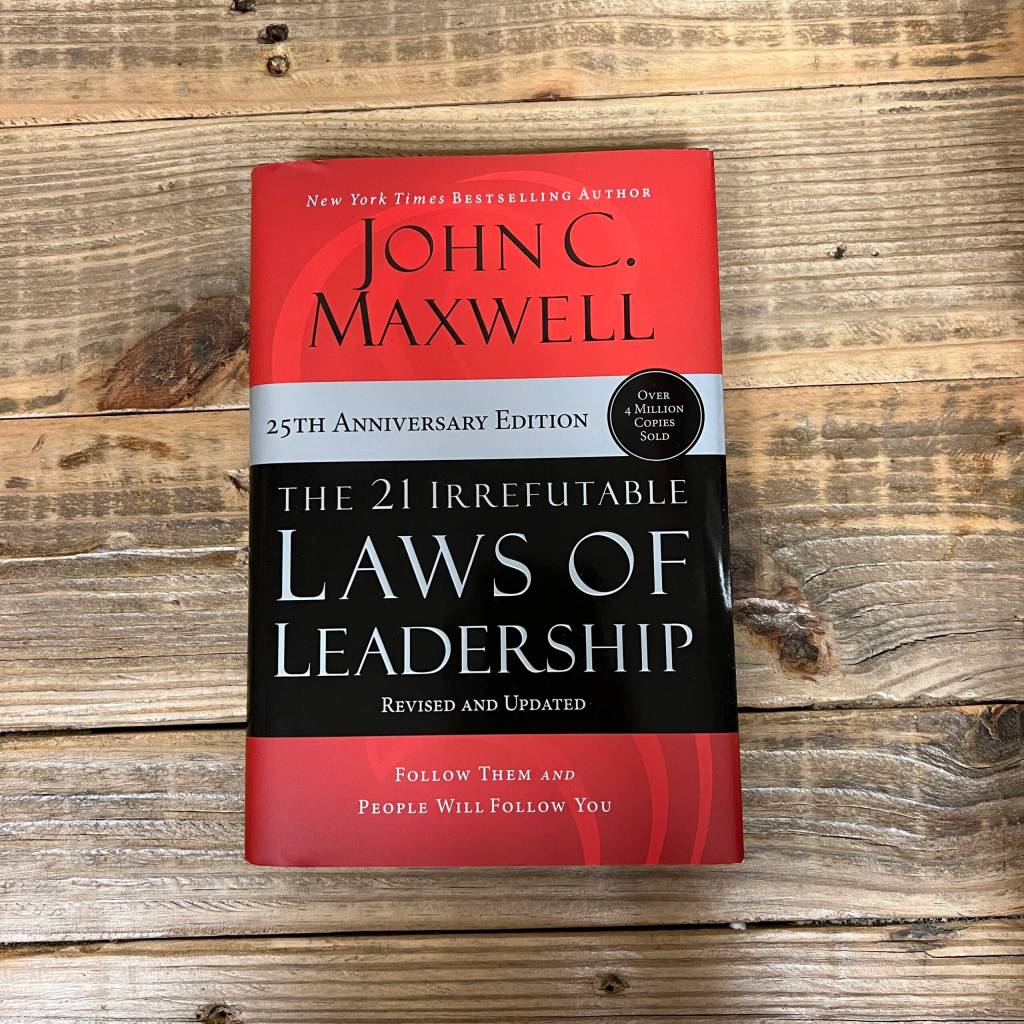
The 21 Irrefutable Laws of Leadership is a book by John C. Maxwell that outlines key principles for effective leadership. Here’s a list of the 21 laws along with a brief description of each:
- The Law of the Lid
Leadership ability determines a person’s level of effectiveness. The higher your leadership skills, the more successful you can be. A leader’s ability sets the “lid” on their potential. - The Law of Influence
True leadership cannot be mandated; it must be earned. Leadership is about influence, not authority or position. The more influence you have, the more effectively you can lead. - The Law of Process
Leadership is developed daily, not in a day. Good leadership is a journey of continuous improvement, and effective leaders grow over time through intentional practice and experience. - The Law of Navigation
Leaders are navigators, not passengers. They must chart the course and guide others through challenges, helping them understand the path ahead. Good leaders foresee obstacles and plan accordingly. - The Law of E.F. Hutton
When the right leader speaks, people listen. A leader’s influence is magnified when they’ve built credibility and earned trust, making people eager to hear their guidance. - The Law of Solid Ground
Trust is the foundation of leadership. Without trust, leaders cannot influence others effectively. Consistency, integrity, and competence are essential for building solid ground with followers. - The Law of Respect
People follow leaders who are stronger than they are. A leader earns respect through their competence, integrity, and ability to lead by example. If a leader doesn’t earn respect, they can’t lead effectively. - The Law of Intuition
Leaders evaluate everything with a leadership bias. Great leaders possess an intuitive sense of what to do in any given situation, drawing on their instincts and experiences to guide decisions. - The Law of Magnetism
Who you are is who you attract. Leaders tend to attract people who share similar values, abilities, and qualities. Strong leaders draw people who align with their vision and character. - The Law of Connection
Leaders touch a heart before they ask for a hand. Effective leadership is about building relationships and connecting with people emotionally, making them feel valued before requesting their support. - The Law of the Inner Circle
A leader’s potential is determined by those closest to them. Leaders surround themselves with people who complement their strengths, challenge them, and help them grow. - The Law of Empowerment
Only secure leaders give power to others. Great leaders empower their followers by sharing responsibility, offering support, and allowing people to take ownership of their work. - The Law of the Picture
People do what people see. Leaders must model the behaviors, values, and actions they expect from others, as their actions set the example for those they lead. - The Law of Buy-In
People buy into the leader first, then the vision. A compelling vision will not succeed if people don’t first trust and believe in the leader. They need to be bought into the leader’s character before the vision. - The Law of Victory
Leaders find a way for the team to win. Effective leaders take responsibility for the success of the team and will go to great lengths to ensure victory, even in difficult circumstances. - The Law of the Big Mo
Momentum is a leader’s best friend. Successful leaders know how to build and sustain momentum. Momentum makes work easier, and without it, leadership becomes a constant struggle. - The Law of Priorities
Leaders understand that activity is not necessarily accomplishment. They must focus on what is most important and prioritize the key activities that will move their team toward success. - The Law of Sacrifice
A leader must give up to go up. Leadership involves making sacrifices for the greater good, whether it’s time, comfort, or resources. Effective leaders understand that personal sacrifice is part of the process. - The Law of Timing
When to lead is just as important as how to lead. Great leaders recognize that timing is crucial for success. They understand the right moment to act and know when to step back and wait for the right opportunity. - The Law of Explosive Growth
To add growth, lead followers; to multiply growth, lead leaders. Effective leaders create an environment where others can lead, enabling exponential growth for the organization by developing more leaders. - The Law of Legacy
A leader’s lasting value is measured by succession. The true measure of a leader is how well they prepare others to take their place, ensuring that their influence and vision continue beyond their time.
These 21 laws provide a comprehensive framework for leadership that focuses on personal development, relationships, influence, and empowering others. Each law contributes to shaping leaders who can effectively guide people, teams, and organizations to success.





 Single Parent Life
Leave a comment